

Share
BIM in cleanroom design: From concept to maintenance
BIM integration
is essential

Cleanroom construction projects face a familiar challenge: complex systems, tight tolerances, and zero room for error. When HVAC ducts clash with structural elements or electrical systems interfere with cleanroom panels, the results are expensive delays and compliance headaches.
Building Information Modeling (BIM) is changing how cleanroom projects are planned, built, and maintained. By creating a detailed digital model before construction begins, teams can identify problems early, optimize workflows, and deliver facilities that work perfectly from day one.
At Jansen Cleanrooms & Labs, BIM integration has become essential to our project delivery process, helping us avoid the costly mistakes that plague traditional construction approaches.

Design coordination that actually works
Traditional cleanroom design involves multiple teams working on separate drawings that don’t always align. Architects design the layout, engineers plan the HVAC systems, and electrical contractors route their systems—often discovering conflicts only during construction.
BIM changes this by putting everyone in the same virtual space. All disciplines work within a single, coordinated 3D model that immediately highlights conflicts. When the HVAC duct routes clash with structural beams or electrical conduits interfere with cleanroom panels, the model shows these issues before construction begins.
This early detection prevents the field changes that can derail schedules and budgets while ensuring all systems integrate properly with cleanroom requirements.
Smarter construction through digital planning
BIM enables precise construction planning that’s particularly valuable for cleanroom projects. The detailed model allows teams to:
- Plan optimal construction sequences that maintain contamination control
- Prefabricate components off-site for faster, cleaner installation
- Coordinate equipment delivery and installation timing
- Minimize disruption in sensitive cleanroom environments
This approach reduces on-site labor requirements while improving build quality and speed. Components arrive ready for installation, reducing the time spent in partially completed cleanroom spaces.
Validation integration from day one
Cleanroom validation requires detailed documentation of every installed component, its specifications, and compliance status. Traditional projects scramble to compile this information during commissioning, often discovering missing details or documentation gaps.
BIM models contain all component specifications, installation details, and compliance information from the start. This creates a seamless transition into Design Qualification (DQ), Installation Qualification (IQ), and Operational Qualification (OQ) processes.
The result is faster validation with complete documentation that’s ready for regulatory inspection.

Maintenance planning that saves money
Once operational, cleanroom maintenance becomes critical for compliance and performance. BIM models provide facility managers with powerful tools for ongoing operations:
- Visual asset location and specification access
- Maintenance scheduling based on equipment lifecycle data
- Energy performance monitoring and optimization planning
- Predictive maintenance scheduling to prevent failures
This data-driven approach to facility management reduces unexpected downtime while optimizing maintenance costs and ensuring consistent performance.
Future-ready facility management
Cleanroom facilities evolve over time with new equipment, layout changes, and upgraded systems. BIM models can be updated to reflect these changes, creating a continuously accurate digital record of the facility.
This “digital twin” approach supports future projects by providing precise as-built information and helps facility managers make informed decisions about modifications and upgrades.
The business case for BIM
The benefits of BIM in cleanroom construction extend beyond technical advantages. Projects using BIM typically experience:
- Reduced design errors and construction rework
- Faster project delivery through optimized planning
- Lower lifecycle costs through better maintenance planning
- Improved regulatory compliance and audit readiness
While BIM implementation requires upfront investment in technology and training, the long-term benefits far outweigh the initial costs.
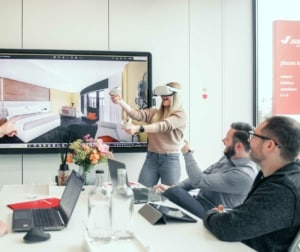
Getting started with BIM
Implementing BIM in cleanroom projects requires expertise in both the technology and cleanroom requirements. Success depends on choosing the right software platforms, establishing clear workflows, and ensuring all team members understand how to use the model effectively.
At Jansen Cleanrooms & Labs, our BIM-integrated approach delivers cleanroom facilities that are built right the first time, validated efficiently, and optimized for long-term performance. We combine technical expertise with proven BIM methodologies to ensure your project succeeds from concept through ongoing operations.
Ready to eliminate costly construction mistakes from your next cleanroom project? Contact our team to learn how BIM integration can improve your project outcomes.